Egypt travel
6 Essential Things To Do in Cairo (Local Guide's Plan)
Planning a trip to Cairo? Discover the 6 best things to do in cairo with our local guide's plan, including insider tips on prices, times, and tours.

By Mohamed Hassan · Senior Local Guide · 12 years
Cairo gets harder the more attractions you cram into it. Visitors usually do not have a sightseeing problem here. They have a planning problem. Traffic cuts into the day, midday heat changes your pace, and crossing the city too many times turns famous sites into a tiring checklist.
A better Cairo trip is built by area, timing, and energy level. The key historic zones are clear enough on the map, but they do not work well if you treat them as quick stops. Giza needs an early start or patience with crowds. Islamic Cairo rewards slow walking, not rushing from mosque to mosque. Museum days need restraint, or the collections start to blur together.
That is why this guide focuses on six experiences that define the city. They cover the icons, but they also show the trade-offs. Where private transport saves time. Where a big group tour wastes it. When a site is worth half a day, and when it is better paired with something nearby. For a broader look at the city's major sights, see these Cairo attractions and trip ideas.
I plan Cairo days the same way local guides do for friends and private guests. Keep the route tight. Protect your best hours. Leave room for one long site visit instead of five shallow ones.
If your stay is short, this approach gives you a Cairo trip that feels exciting, manageable, and grounded in the actual city rather than the bus-window version of it.
Table of Contents
- 1. Pyramids of Giza and Great Sphinx Private Tour
- 2. Egyptian Museum Tahrir and Grand Egyptian Museum GEM
- 3. Saqqara Step Pyramid and Ancient Necropolis
- 4. Nile River Cruise Dinner with Live Entertainment
- 5. Islamic Cairo Walking Tour Medieval City Bazaars Mosques
- 6. Desert Safari and Bedouin Camp Experience
- Top 6 Cairo Experiences Comparison
- Your Perfect Cairo Trip, Simplified
1. Pyramids of Giza and Great Sphinx Private Tour
The biggest mistake at Giza is treating it like a quick photo stop. It looks simple on an itinerary. On the ground, it is a wide, hot archaeological site where timing, route, and pacing decide whether the visit feels memorable or exhausting.
For a first Cairo trip, Giza usually belongs near the top of the plan. The Great Pyramid still carries that once-in-a-lifetime weight, and the Sphinx is far more impressive in person than it looks in rushed group-tour photos. What big coach tours often get wrong is speed. They move people through the plateau fast, stop where buses can stop, and leave little room for the best viewpoints or for adjusting the day to the heat.
A private tour gives you more control over the parts that matter. Some travelers want the classic sweep of the three pyramids, the Sphinx, and a few strong panoramic stops. Others want extra time for photos, a camel ride, or interior entry if tickets are available. Those choices sound small, but they change the whole rhythm of the visit.
Go early or accept the trade-off
Early morning is still the smartest time to go. You get softer light, lower heat, and a calmer start before the plateau fills up.
A later start can still work. I usually recommend it only for travelers who hate early wake-ups, families with young kids, or anyone pairing Giza with a lighter afternoon plan. The trade-off is simple. You give up comfort and easier photos for a slower morning at the hotel.
Practical rule: If Giza matters most on your trip, schedule it first and build the rest of the day around it.
Shoes matter here. The ground is dusty, rocky, and more uneven than many visitors expect. Bring water, sunglasses, and more patience than you think you need once the sun rises.
Visitors ask all the time whether going inside the Great Pyramid is worth it. My answer is yes for bragging rights and the feeling of standing inside one of the world's most famous monuments. Skip it if you have bad knees, dislike tight passages, or expect wall paintings and a dramatic chamber. The value is the experience of entry, not what you see at the end.
If you want a broader look at route ideas and site options, browse the Cairo attractions guide from Oh Yes Tours.
Later in the visit, this video gives a feel for the scale of the plateau:
What to include and what to skip
A well-planned private Giza tour usually covers the three main pyramids, the Great Sphinx, and the panoramic viewpoint without turning the day into a march. That is enough for many visitors. Adding every possible extra often sounds better than it feels in the heat.
Camel rides are fine if you want the classic desert-photo angle, but set the price before you mount and confirm the route and duration clearly. That is one of those small details that saves arguments later.
Different travelers need different pacing:
- Couples: Often enjoy an early start, cleaner photo light, and time to linger at viewpoints.
- Families: Usually do better with fewer stops, regular shade breaks, and one simple extra instead of a packed schedule.
- Retirees and history-focused travelers: Often get more from a longer visit with an Egyptologist guide who explains how the plateau fits into the wider Old Kingdom story.
If you are booking one Cairo day and want it handled well, a private setup that bundles transport, guide service, and a few carefully chosen stops usually works better than trying to piece everything together on arrival. It costs more than going by taxi and buying tickets yourself, but it saves time, cuts friction, and gives you room to shape the day around your energy instead of a bus timetable.
2. Egyptian Museum Tahrir and Grand Egyptian Museum GEM
Travelers waste a lot of time asking which museum is "better." The smarter question is which one fits your energy, interests, and schedule.
Tahrir and GEM serve different types of visits. Tahrir is the older, denser museum. It has character, famous pieces, and the feeling of walking through a place that shaped modern Egyptian archaeology. It also asks more from you. Labels can feel uneven, the layout is less intuitive, and visitors who arrive without a plan often drift past important objects without understanding why they matter.
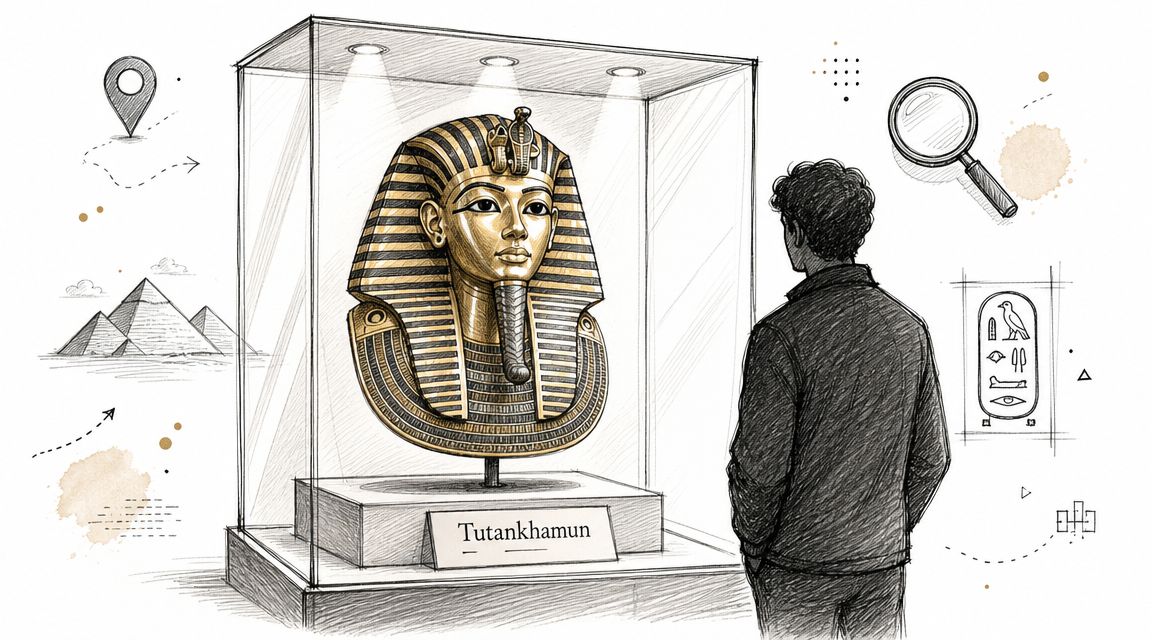
GEM is easier to read. The spaces are wider, the presentation is cleaner, and the visit usually feels less tiring for families, older travelers, and anyone who likes history but does not want hours of visual overload. Big tour groups often treat museums like box-checking stops. That is the wrong approach in Cairo. A focused two to three hours with the right guide is usually more rewarding than rushing room to room trying to see everything.
Choose based on tolerance, not hype
Pick Tahrir if you want atmosphere and you do not mind a museum that feels busy, layered, and slightly chaotic. Pick GEM if you want a more comfortable visit with clearer flow.
There is a trade-off. Tahrir can feel more intimate and historically charged. GEM is more polished and easier on first-time visitors, but some travelers still prefer the old museum's personality. Neither choice is wrong. The mistake is forcing both into one museum-heavy day because the itinerary looks good on paper.
I usually advise travelers to match the museum to the rest of the day:
- Short Cairo stay: Choose one museum only. Tahrir suits travelers who want the classic institution. GEM suits travelers who want a smoother visit.
- Families: GEM is often the easier call because the layout is simpler and fatigue hits later.
- History-focused visitors: Tahrir rewards people who care about context and do not mind a more demanding visit.
- Older travelers: One museum, a proper lunch break, and private transport works better than stacking too much standing time.
How to do it well
Do not try to "complete" either museum. Cairo punishes that mindset. Choose a handful of galleries or themes and let your guide build the route around them. That is how you leave remembering key pieces instead of leaving tired.
If you want to see both museums during the trip, split them across separate days or pair one with something that changes the rhythm, such as dinner on the Nile or an evening walk in historic Cairo. I have seen plenty of visitors book both for the same day, then lose focus halfway through the second visit.
A private museum tour costs more than taking a taxi and buying tickets on your own. It also saves wasted time, cuts down on decision fatigue, and gives the collection shape. For travelers who care about substance, that is usually money well spent.
3. Saqqara Step Pyramid and Ancient Necropolis
If Giza gives you scale, Saqqara gives you understanding. Cairo transcends its postcard image, revealing itself as an extensive archaeological narrative.
Many travelers skip Saqqara because they think one pyramid field is enough. That's a mistake. Saqqara shows the evolution of pyramid architecture and funerary design in a way Giza doesn't. It's quieter, wider, and more rewarding for visitors who want more than the headline photo.
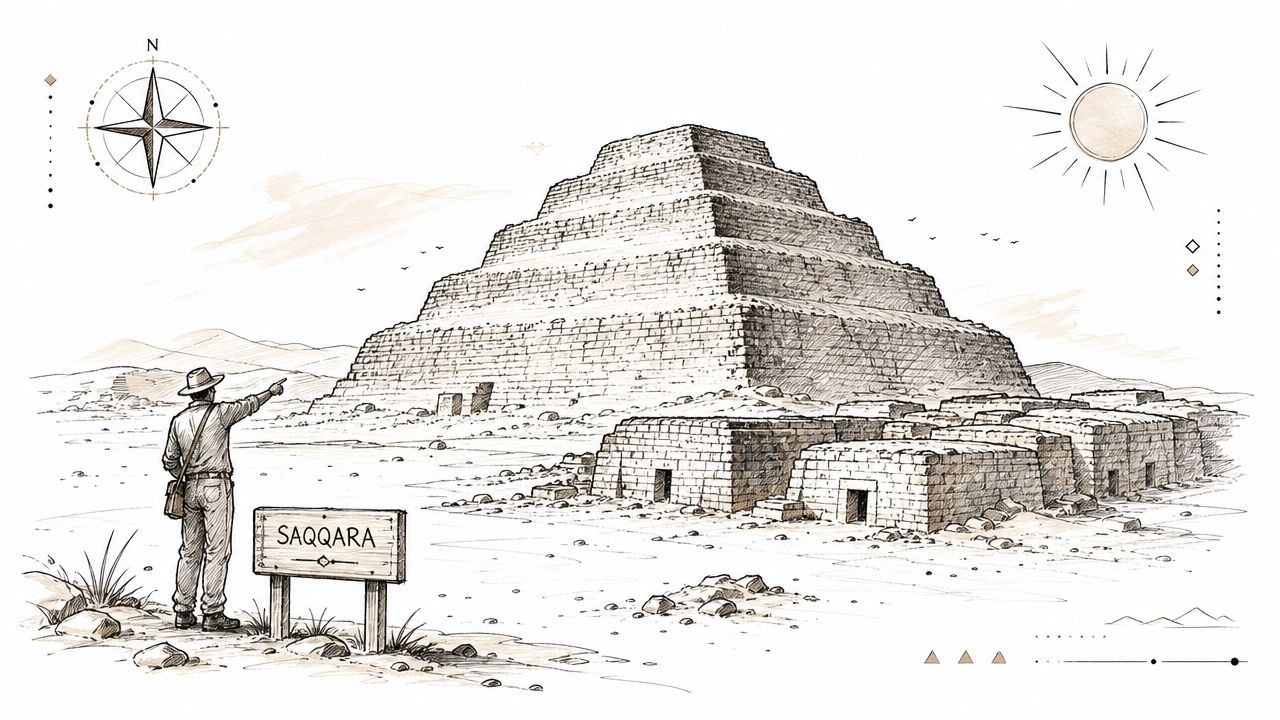
Why serious history travelers love Saqqara
The Step Pyramid of Djoser is the star, but Saqqara works because the whole site is layered. You're not just looking at one monument. You're seeing a necropolis with tombs, pyramids, causeways, and burial architecture from different periods.
This is one of the best things to do in Cairo if you've already seen Giza and want the next step, or if you're the kind of traveler who likes context more than spectacle. Retirees, repeat visitors, and Egyptology fans usually come back from Saqqara happier than they expected.
A private guide matters more here than at some other sites. The land is open, the signage won't tell the full story, and many of the most interesting details are easy to miss if nobody points them out.
Saqqara is where many travelers stop saying “the pyramids” and start noticing periods, styles, and burial ideas.
Start early. Like Giza, this site is better before the heat builds. Sturdy shoes and water matter here too because you'll cover more ground than you think.
Best pairing for a fuller desert archaeology day
Saqqara pairs well with Dashur if you want a full necropolis day. That combination works especially well for travelers who don't need another museum and would rather stay in ancient surroundings from morning into afternoon.
For different traveler types, here's what usually works:
- First-time visitors with one Cairo day: Don't force Saqqara in if it means rushing Giza.
- History-focused visitors: Saqqara is often more satisfying than adding another city attraction.
- Families: This can work if your kids enjoy open space and don't need constant entertainment.
- Photographers: The quieter environment is a major advantage.
If you're building a multi-day Cairo plan, Saqqara is often the point where the trip starts feeling personal instead of standard.
4. Nile River Cruise Dinner with Live Entertainment
A Nile dinner cruise works best as recovery, not as the headline event of your Cairo trip. After a day of traffic, heat, and major sites, two calm hours on the river can be exactly right. The mistake is booking any boat with lights and a buffet, then expecting charm.
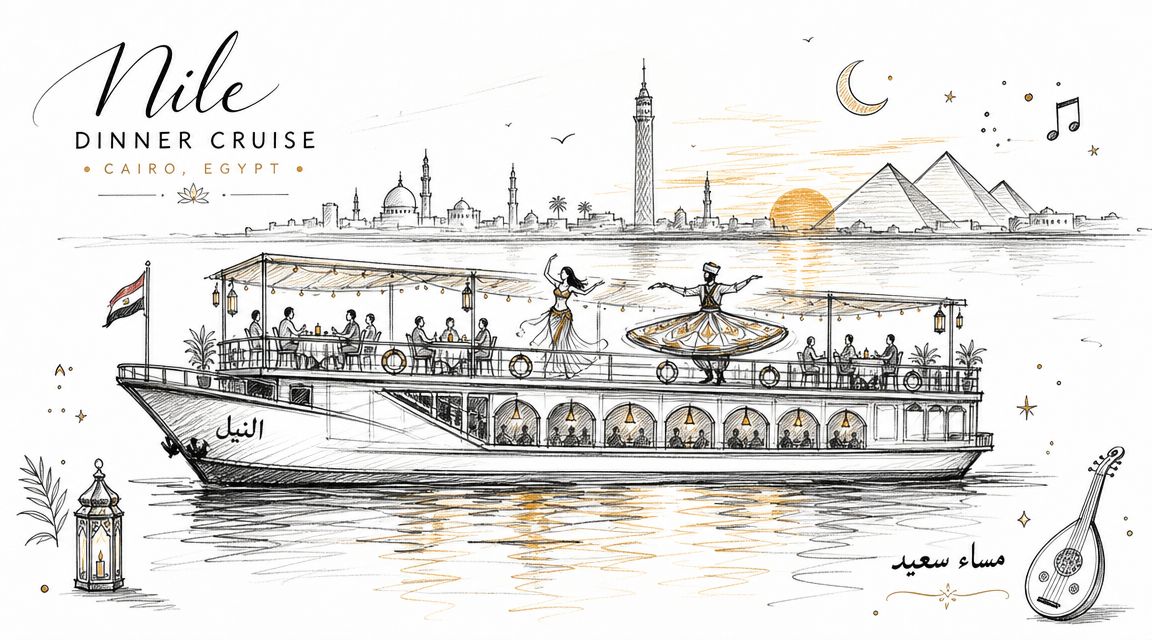
Some cruises feel polished and relaxed. Others feel like a crowded wedding hall that happens to float. Big tour groups often sell the cruise as a luxury night out, but its worth is simpler than that. You get river views, a break from the street pace, and an easy evening if you choose the right format.
Big boat or smaller boat
Smaller boats usually win on atmosphere. Boarding is faster, service feels more attentive, and you spend less time standing in line for food or waiting for a large group to settle. Larger boats can be the better call for travelers who want stronger air conditioning, more stable movement, and a fuller stage show, but they are often less personal.
If you are booking online, look for clear inclusions, instant confirmation, mobile booking, and visible cancellation terms. Those details matter in Egypt's online travel market, which IMARC estimates at USD 1,982.27 million in 2024 with a projected USD 4,628.40 million by 2033 at a 9.79% CAGR, according to the Egypt online travel market report.
The practical rule is simple. Book the boat that matches your evening style, not the one with the flashiest photos.
You can compare a range of bookable experiences through Oh Yes Tours' Egypt activities page. If you are planning several evening and heritage stops together, it also helps to look at how a river night fits beside a private Cairo old city and Coptic district visit, rather than booking each activity in isolation.
A few patterns usually hold:
- Couples: Often enjoy smaller dinner boats or a private felucca more than a loud show-focused cruise.
- Families: Usually appreciate the fixed schedule, hotel transfers, and built-in entertainment.
- Older travelers: Often prefer modern enclosed boats with reliable seating and climate control.
- Independent travelers: Should confirm pickup point, drop-off timing, and whether drinks are included.
When a felucca is better than dinner cruise
Choose a felucca if you want quiet, open air, and conversation. Choose a dinner cruise if you want a structured evening with food and performances. Neither is automatically better. They serve different moods.
Don't book a dinner cruise for gourmet food. Book it for the river views, the city lights, and an easy Cairo night.
Smart casual clothing is enough. If motion bothers you, a larger modern boat will usually feel steadier. If music volume or dance style matters to you, ask before reserving. That small check saves a lot of disappointment later.
5. Islamic Cairo Walking Tour Medieval City Bazaars Mosques
This is the part of Cairo that many rushed itineraries flatten into “old market plus mosque.” In reality, Islamic Cairo is one of the city's richest experiences because it mixes architecture, religion, commerce, and daily life in one dense area.
Khan el-Khalili isn't a modern souvenir strip. It's a historic market in Cairo's old center with thousands of stalls selling art, shoes, clothes, spices, and food, which is why it remains one of the city's busiest cultural stops, as described in this Cairo travel guide. Nearby routes often connect naturally with the Citadel and, on another block of the day, Coptic Cairo.
This area rewards patience not speed
Islamic Cairo is where big group tours often get the pacing wrong. They rush people in for a photo, push through a few streets, then leave before the place starts to make sense.
Walking works best here. You notice stonework, old facades, workshop sounds, prayer rhythms, street food smoke, and how the district changes from one lane to the next. If you move too fast, it all blurs.
Dress respectfully, especially if mosques are part of the route. Covered shoulders and knees are the safe default. Comfortable shoes matter more here than fancy ones.
A useful route is often Citadel first, then a slower descent into the older quarters, then Khan el-Khalili later when the area has more life. If you also want Christian heritage, Coptic Cairo tours and routes fit well on a separate half-day instead of cramming everything into one overstuffed schedule.
What most visitors get wrong in Khan el-Khalili
They either expect a calm artisan quarter or they treat it like a place to “finish” in twenty minutes. Neither works.
Khan el-Khalili is lively, commercial, and sometimes tiring. That's part of the point. You go for atmosphere as much as shopping. Haggle politely, don't act shocked by first prices, and don't buy the first thing you see unless you love it.
Some practical traveler scenarios:
- Couples: Sunset into evening is often the best mood.
- Families: Keep expectations realistic. Kids may love the color and chaos, but not for hours.
- Solo travelers: A guide can save you time and reduce hassle.
- History-focused visitors: Pair bazaar time with Al-Muizz and one or two major monuments, not ten.
In this district, the best moments are usually between the checklist stops.
6. Desert Safari and Bedouin Camp Experience
Many Cairo itineraries are too full. Visitors stack pyramids, museums, mosques, and bazaars back to back, then wonder why the city feels exhausting by day three. A desert day fixes that if you choose the right format.
From Cairo, a desert safari is less about adrenaline and more about contrast. You leave traffic, noise, and fixed sightseeing slots behind and get space, quiet, and a different pace. That shift is its core value.
A lot depends on expectations. Some travelers want a short 4x4 trip, a few photo stops, tea in camp, and a return to the city before dinner. Others want the desert at the right hour, which usually means sunset, a slower meal, time around the fire, and enough darkness to feel why people book the overnight.
Who should do this from Cairo
This suits travelers who have already covered Cairo's headline sites and want one day that feels completely different. It also works well for couples, small groups of friends, and repeat visitors who do not need another museum afternoon.
It can work for families too, but only if everyone is realistic about the road time, heat, dust, and basic camp conditions. Big tour groups often sell this as an easy add-on. It is better treated as a deliberate choice. The wrong version feels rushed. The right one becomes one of the most memorable parts of the trip.
Many visitors now build Cairo trips independently instead of relying on one large package, so pickup timing, vehicle quality, and return planning matter more than people expect. In the desert, small logistics problems become annoying fast. A late departure means harsh midday light. A weak vehicle turns a fun drive into a tiring one. An unclear return plan is worse at night than it is in the city.
Half day or overnight
Half-day safaris fit better into a short Cairo stay. They are easier on the budget, easier on energy, and usually enough for travelers who mainly want a break from the city.
Overnights are better for atmosphere. Sunset is better than midday. Dinner in camp is better than a quick stop for tea. The quiet after dark is usually the part people remember.
Here are the trade-offs:
- Half day: Lower cost, less commitment, easier to fit into a tight schedule, but the experience can feel brief.
- Overnight: Better light, stronger camp atmosphere, more time to relax, but more road time and more fatigue the next day.
- Families: Shorter trips are usually the safer choice unless the children already enjoy long outdoor days.
- Older travelers: Comfort depends heavily on the 4x4, the camp setup, toilet access, and how much walking is involved.
My advice is simple. Do not book a desert safari just to say you did one. Book it if you want contrast, open space, and a slower rhythm after Cairo's intensity. If that sounds right, choose a private setup with clear timings and a camp that matches your comfort level. That is where the experience improves, and where many standard group tours fall short.
Top 6 Cairo Experiences Comparison
| Experience | 🔄 Implementation Complexity | ⚡ Resources & Logistics | ⭐ Expected Experience Quality | 📊 Outcomes / Impact | 💡 Ideal Use Cases & Tips |
|---|---|---|---|---|---|
| Pyramids of Giza & Great Sphinx Private Tour | Moderate, private transport, timing and optional interior access add complexity | Private car + guide; entry fees (Plateau ≈50 EGP, Khufu interior ≈400 EGP, Solar Boat ≈150 EGP); 4–6h on-site, ~2h transport | High ⭐, iconic, immersive when guided; interior access is intense | Strong historical context, excellent photo opportunities; physically demanding | Best for first-time visitors and families; book early morning, bring water, skip interior for mobility issues |
| Egyptian Museum (Tahrir) & Grand Egyptian Museum (GEM) | Low–Moderate, museum navigation and possible GEM queues | Entry: Tahrir ≈150 EGP, GEM ≈600 EGP; 3–5h; Egyptologist guide recommended (+€20–30) | High ⭐, world-class artifacts; GEM more visitor-friendly | Deep artifact understanding; sheltered from weather; may be overwhelming without a guide | Ideal for history lovers or rainy/hot days; go early, prioritize Tutankhamun galleries |
| Saqqara Step Pyramid & Ancient Necropolis | Moderate, longer travel and extensive walking across site | Entry: plateau ≈150 EGP, Step interior ≈400 EGP; 5–6h on-site; ~2h transport each way | High ⭐, quieter, archaeologically rich and revealing | Clear insight into pyramid evolution; quieter study of monuments; physical walking required | Good for archaeology enthusiasts and quieter visits; combine with Dashur and start early |
| Nile River Cruise Dinner with Live Entertainment | Low, straightforward booking; choice of vessel alters complexity | €45–65 group, €200–300 private felucca; 2.5–3h evening; food/entertainment varies | Medium–High ⭐, romantic and relaxing; quality varies by boat | Relaxation, skyline views, evening entertainment; low exertion | Perfect for couples or tired travelers; choose small boat and sunset departure |
| Islamic Cairo Walking Tour (Medieval City, Bazaars, Mosques) | Moderate, crowded narrow streets, bargaining and mosque etiquette required | €60–80; 4–6h walking; modest dress, comfortable shoes, water | High ⭐, lively, authentic cultural immersion | High cultural exposure, shopping opportunities, pickpocket risk in crowds | Best for culturally curious visitors; hire a guide, go early, haggle respectfully |
| Desert Safari & Bedouin Camp Experience | Moderate, 4x4 logistics; overnight trips increase planning needs | €39–200+ depending on length; 4h to multi-day; basic camp facilities, limited cell service | High ⭐, unique landscapes and stargazing; comfort varies | Distinct wilderness experience, photography, authentic-host interaction | Ideal for adventure seekers and photographers; avoid peak summer, pack layers and expect sand |
Your Perfect Cairo Trip, Simplified
Cairo doesn't need more listicles. It needs better planning.
The city is strongest when you stop treating it like one giant attraction and start treating it like a set of zones with different rhythms. Recent traveler-facing advice keeps promoting one-day mega-itineraries, but the actual issue isn't a shortage of things to do. It's overpacking the route and losing hours between districts, which is exactly the planning gap highlighted in this discussion of practical Cairo sightseeing logistics. The smart structure is usually Giza early, downtown or museum time later, then Islamic Cairo or the bazaar toward late afternoon or evening.
That's also why these six experiences work so well together. They don't compete. They balance each other. Giza gives you scale. The museums give you context. Saqqara gives you depth. Islamic Cairo gives you texture. The Nile gives you breathing room. The desert gives you contrast.
If you only have a short trip, don't try to prove how much you can survive in one day. Pick fewer things and do them properly. Cairo rewards focus.
For first-time visitors, a very practical plan looks like this: one day for Giza and a museum, one separate day for Islamic or Coptic heritage and market time, then one evening on the Nile. If you have extra time, add Saqqara or a desert outing based on whether you prefer archaeology or broad natural areas.
Private touring isn't about luxury for its own sake. In Cairo, it's often about protecting your time. The city's best sights sit in different parts of the metro area, and once you factor in traffic, pickup points, entry logistics, and the need for rest, a guide and driver stop feeling like extras. They become the difference between a day that flows and a day that drags.
Big group tours usually make the same mistakes. They start too late, combine too much, leave too little free time for the places that deserve it, and treat every traveler the same. That doesn't work for honeymoon couples, families with children, solo travelers, or retirees who want a slower pace. Cairo is too layered for one standard template.
If you want the trip to feel smooth, build around your priorities. If the pyramids are the dream, give them the best morning. If you love history, give Saqqara the half-day it deserves. If you care about atmosphere, don't squeeze Khan el-Khalili between two long drives. And if you know you'll be tired by evening, choose a Nile cruise instead of another monument.
Oh Yes Tours is one option for travelers who want private Egypt trips arranged directly with local guides, including Cairo outings and custom itineraries. That direct model can suit travelers who prefer clear communication and simple logistics without a reseller layer.
The best Cairo trip usually isn't the longest list. It's the one that leaves room to feel the city.
Egypt? Oh Yes!
If you want help turning these ideas into a practical route, Oh Yes Tours can arrange private Cairo day-trips and wider Egypt itineraries with local guides, direct booking, and flexible planning that fits how you travel.