Egypt travel
Red Sea Turtle Conservation: Ethical Travel Guide 2026
Planning a Red Sea trip? Our guide to sea turtle conservation in Egypt shows how to choose responsible tours & protect marine life ethically.

By Mohamed Hassan · Senior Local Guide · 12 years
You're probably here because you've seen the photos already. Clear blue water. A calm bay near Marsa Alam. A turtle gliding past a snorkeler as if the whole Red Sea has slowed down for one perfect minute.
I've guided people on the Red Sea for more than 12 years, and I still watch the same thing happen. Someone slips into the water excited but clumsy, then suddenly goes quiet. They see their first turtle. Everything changes. The kicking stops. The talking stops. For a moment, they understand why this coast matters.
I've also seen the other side. Boats cutting too close. Guides rushing large groups into one patch of water. Snorkelers chasing a turtle for a better photo and not realizing they're turning a wild animal into a stressed one. That's the part most glossy travel pages skip.
If you want to swim with turtles in Hurghada or Marsa Alam, you absolutely can. You should. It's one of the best things we have here. But a good turtle trip isn't just about where to go. It's about how to go, who to go with, what to pay for, and what trade-offs you're accepting.
Table of Contents
- Your Magical Red Sea Turtle Encounter Starts Here
- Meet the Red Sea's Ancient Mariners
- The Top Threats to Turtles in Egypt's Waters
- The Snorkeler's Code Respectful Viewing Etiquette
- How to Choose a Genuinely Turtle-Friendly Tour
- Local Heroes Supporting Red Sea Conservation
- A Perfect Day Itinerary for Turtle Lovers
Your Magical Red Sea Turtle Encounter Starts Here
The best turtle encounters usually start gently.
Not with loud music on a boat. Not with someone shouting “go, go, go.” Usually it starts when the sea is flat, your mask stops fogging for once, and you notice movement below that doesn't look like a fish. Then the shell catches the light, the flippers move once, and there it is. A sea turtle, completely unbothered, moving with that old calm that makes everyone in the water feel like a guest.
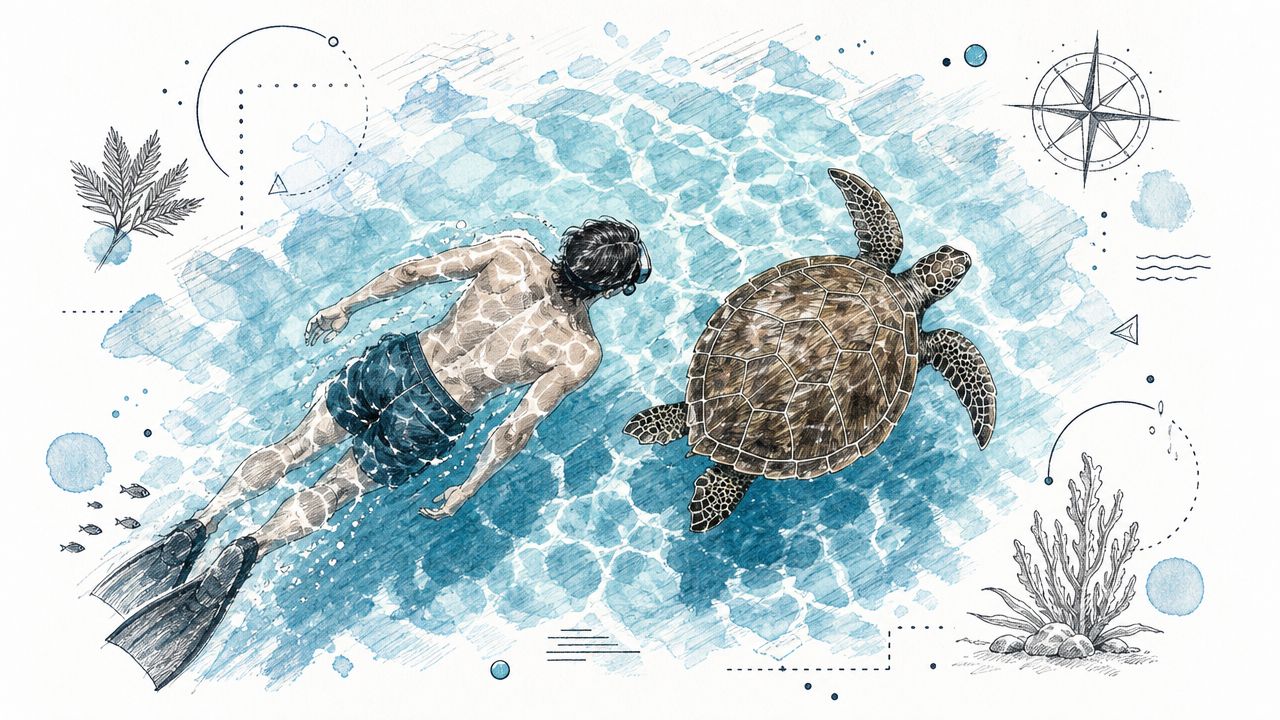
In Hurghada, I often see this with first-time snorkelers around reef edges and seagrass patches. In Marsa Alam, especially around bays known for grazing areas, people get longer looks. The reaction is always the same. They come back to the boat smiling like children.
That joy is exactly why sea turtle conservation matters.
What makes the moment fragile
A turtle encounter looks peaceful from the outside, but it can go wrong fast when people crowd the animal. One swimmer cuts off its path to the surface. Another dives straight above it. A third stretches out a hand for a touch they'll later call harmless. The turtle changes direction, speeds up, or leaves the area.
Practical rule: If your presence changes the turtle's behavior, you're too close.
I say this as someone who loves these encounters and depends on healthy reefs and wildlife for my work. We don't protect turtles by keeping people away from the sea completely. We protect them by teaching people how to be in the sea properly.
Your role for one day
When you join a turtle trip here, you're not just a tourist buying a boat seat. For a few hours, you're part of the animal's environment.
That sounds serious because it is. The good news is that responsible choices are simple once you know what to look for. The rest of this guide is about making those choices well in Hurghada and Marsa Alam, so the memory stays magical for you and stays safe for the turtle.
Meet the Red Sea's Ancient Mariners
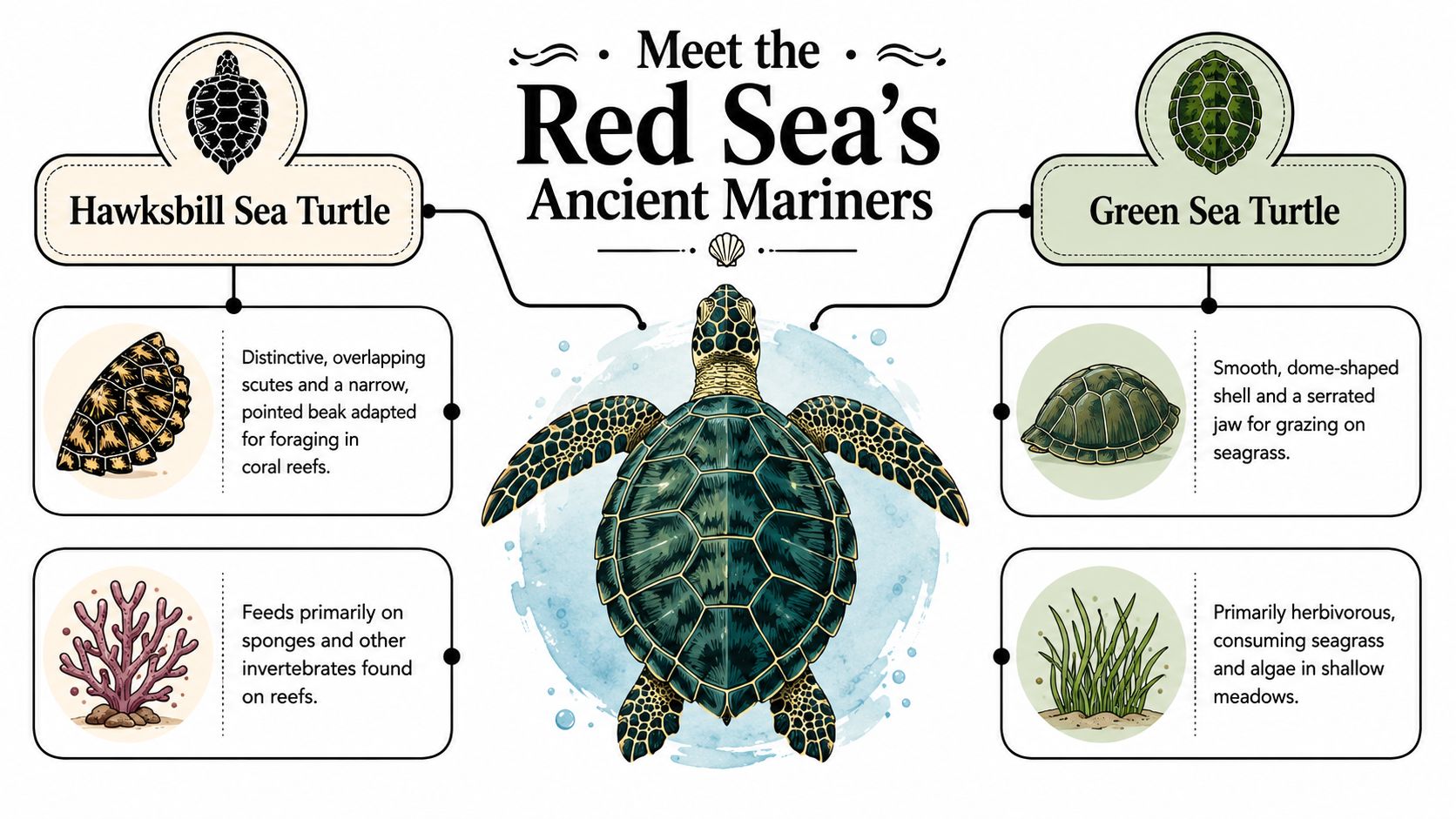
Most travelers in the Egyptian Red Sea are hoping to meet one of two turtles. Green turtles and hawksbills. If you know how to tell them apart, your snorkeling becomes much richer because you stop seeing “a turtle” and start seeing behavior, habitat, and clues about why that spot matters.
How to tell Green and Hawksbill turtles apart
A Green turtle usually looks broader and smoother. The shell feels more rounded in profile, and the head is less sharply pointed. In the Red Sea, if you see a turtle moving slowly over a seagrass area and grazing like a quiet underwater cow, there's a good chance it's a green.
A hawksbill looks more delicate in the face. The beak is narrower and more pointed. The shell often appears more sculpted, and the animal is more often associated with reef structure, coral heads, and tighter spaces.
Here's the quick field version I give guests:
- Green turtle: Broad shell, calmer grazing behavior, often around seagrass.
- Hawksbill: Pointed beak, reef-associated, more likely near coral structure.
- If you're unsure: Watch where it feeds. Habitat often gives the answer faster than color.
Why Red Sea feeding grounds matter
In this part of Egypt, turtle sightings are not random luck. They tend to happen where food is reliable and disturbance is manageable. That's why bays with seagrass, sheltered reef systems, and protected islands matter so much.
Marsa Alam has a reputation for this because some bays give green turtles exactly what they want. Hurghada has its own strong spots too, especially around island and reef systems where hawksbills may forage. If you want a broader overview of coastal places visitors often compare before choosing a base, this guide to Marsa Alam attractions is useful for getting oriented.
Global conservation news gives me real hope here. A major NOAA review found that significant population increases were three times more common than decreases, and for green sea turtles, four out of five regional populations are increasing according to NOAA's sea turtle recovery review.
Protection works when people reduce pressure on turtles and protect the places they use most.
That doesn't mean every site is healthy or every local population is secure. It means recovery is possible. For travelers, that's important. Your choices aren't symbolic. In the right place, they support something that can measurably improve over time.
The Top Threats to Turtles in Egypt's Waters
Visitors often assume the main danger to turtles is what happens on the beach. Nests, lights, crowds, maybe plastic on the shore. Those all matter. But once you've spent enough time around these animals, you learn that the full context is split between land and sea.
The danger most visitors never see
The biggest global technical problem is bycatch. Turtles get caught accidentally in fishing gear, and that can kill juveniles and adults before they reproduce. NOAA treats this as a central conservation priority, and that framing matters because it shows why beach protection alone isn't enough. Turtle protection is a two-front job, with nesting safeguards on land and fishery mitigation at sea, as explained in NOAA's green turtle conservation management page.
If you're a traveler, bycatch can feel abstract because you usually won't witness it. But it should shape how you think. The nicest beach briefing in the world doesn't cancel out mortality in the water. That's one reason I always tell guests to think beyond “eco” branding and ask whether a company takes the wider marine environment seriously.
The threats travelers can spot for themselves
Some risks are visible the moment you arrive.
- Fast boat traffic: In busy areas, speed becomes its own hazard. A good captain slows down near shallow feeding areas and reef edges.
- Anchor damage: When boats drop anchors carelessly, they can tear into coral or seagrass. That damages the habitat turtles rely on.
- Plastic and floating waste: Turtles don't need a beach covered in trash for pollution to be a problem. A drifting bag or line in the water is enough.
- Crowding in the water: Too many swimmers around one animal turns a wildlife encounter into harassment.
- Coastal overbuilding: You can often see this from the shore. More structures, more lights, more runoff, more pressure on sensitive habitat.
I've had days on the Red Sea when the turtle itself was calm but everything around it was wrong. Boats too close. Snorkelers spread out with no guide control. People standing in shallow areas where they should be floating. None of that looks dramatic in a holiday video, but it chips away at habitat quality and animal tolerance.
Watch the operator before you watch the turtle. Their habits tell you what kind of encounter you're about to have.
Tourism presents a trade-off. Cheap volume makes wildlife access easier, but it often makes wildlife protection weaker. That doesn't mean every group trip is irresponsible. It means you should look for signs of discipline, not just promises.
The Snorkeler's Code Respectful Viewing Etiquette
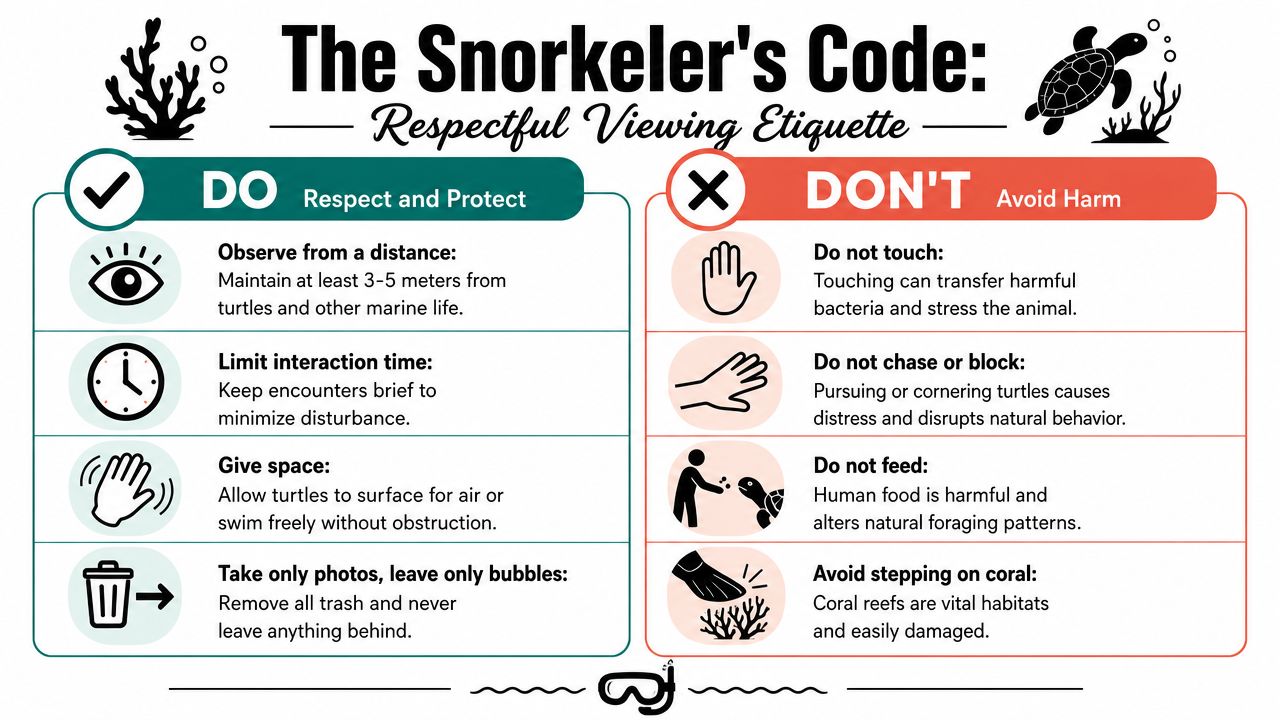
I don't believe in vague advice like “respect nature.” It sounds nice and changes nothing. Good sea turtle conservation in the water depends on specific behavior.
What respectful behavior looks like in the water
Use this as your personal code every time you snorkel or dive around turtles:
- Give real space: Stay back far enough that the turtle doesn't change direction because of you. The infographic standard of 3 to 5 meters is a good practical benchmark for many encounters.
- Keep the path open: Turtles must surface to breathe. Never position yourself above them or in front of where they're heading.
- Float, don't charge: Slow finning is better than excited sprinting. Calm swimmers see more anyway.
- Keep encounters short: If a turtle is feeding or resting, don't turn that into a long photo session.
- Take care of your gear: Loose fins, dangling cameras, and poor buoyancy do damage fast in shallow reef areas.
If you're new to snorkeling, it helps to sort your basics before the trip. A practical Egypt packing guide can save you from improvising with bad masks, uncomfortable fins, or sunscreen choices you regret once you're on the boat.
Small mistakes that cause big stress
The common bad behaviors are very predictable.
Some people try to swim parallel, then slowly creep closer for a photo. Others dive down repeatedly above the turtle. Parents sometimes encourage children to “follow it.” I understand the excitement, but the animal feels pursuit, not admiration.
The larger conservation reason is sobering. Only about 1 in every 1,000 hatchlings survives to adulthood, according to the U.S. Fish and Wildlife Service Marine Turtle Conservation Fund. When survival is that hard, every juvenile and adult matters.
Here's what not to do:
- Don't touch the shell. It's not a prop and not a blessing ritual.
- Don't block coral exits. Turtles often use very specific routes through reef.
- Don't feed anything. Feeding changes behavior and attracts the wrong kind of attention.
- Don't stand where you should float. In shallow areas, one misplaced foot crushes life you may not even notice.
A good turtle encounter feels almost accidental. The turtle keeps living its life, and you were lucky enough to witness it.
That's the standard worth keeping.
How to Choose a Genuinely Turtle-Friendly Tour
Travelers frequently fall into a trap: they compare tours by price, lunch, boat photos, or the inclusion of soft drinks. When considering turtle trips in Hurghada and Marsa Alam, however, the essential question is simpler. How much control will this operator have over the experience once you're in the water?
A turtle-friendly tour isn't defined by the word “eco” in the title. It's defined by briefing quality, boat handling, group management, and whether the guide is willing to disappoint a pushy guest in order to protect the animal.
Questions to ask before you book
Before paying anything, ask direct questions. If the answers are vague, move on.
- Do you brief guests before entering the water? If there's no proper wildlife briefing, that's a warning sign.
- How large is the group? Bigger groups are cheaper per person, but they're harder to control around one turtle.
- Do you use mooring buoys where available? That's much better than careless anchoring.
- Will the guide enter the water with us? A guide who only points from the boat can't manage guest behavior properly.
- What happens if we find a turtle in shallow feeding habitat? You want an answer about distance, turn-taking, and limited time.
- Is the route fixed or flexible? Flexible routing helps captains avoid crowded spots.
I also listen for tone. Responsible operators don't promise guaranteed interaction or dramatic close-ups. They talk about conditions, timing, and behavior. That honesty is usually a good sign.
Comparing Red Sea Turtle Watching Tours
Below is the rough framework I use when helping travelers think clearly about price versus conservation value. Costs vary by season, boat type, hotel location, transfer distance, and whether equipment is included, so think of these as practical market ranges, not fixed tariffs.
| Tour Type | Approx. Cost (per person) | Pros | Cons / Trade-offs |
|---|---|---|---|
| Large group budget boat trip | from €25-€45 | Cheapest option, social atmosphere, easy to book from hotels and street kiosks | Less guide control, more crowded snorkel stops, higher chance of rushed wildlife encounters, quality varies a lot |
| Mid-range small-group snorkeling day | from €50-€90 | Better briefing, easier wildlife management, more water time, calmer pace | Costs more, may still share popular sites with other boats |
| Private boat or private guided turtle-focused day | from €150-€350+ | Best control over timing and distance, flexible routing, easier to avoid crowds, strongest chance of ethical encounter | Highest price, weather risk falls more on you, better for couples, families, or small groups than solo budget travelers |
Cheap tours aren't automatically bad. I've seen budget boats run by disciplined crews, and I've seen expensive charters with terrible wildlife etiquette. But in practice, once group size rises, conservation quality usually gets harder to maintain.
A few trade-offs matter more than people expect:
- Price versus pressure: The cheapest tours tend to fill every space they can.
- Privacy versus flexibility: A private boat can leave a crowded area faster.
- Comfort versus impact: Fancy seating means little if the crew rushes the water entry.
- Checklist tourism versus actual nature watching: Operators selling “see everything in one day” often create the most chaotic snorkeling.
If you want one simple rule, use this. Pay for control, not for marketing. Control is what protects turtles and gives you the better experience anyway.
Local Heroes Supporting Red Sea Conservation
Most visitors see only the visible part of sea turtle conservation. A clean boat. A good briefing. Maybe a protected beach. The harder work is less glamorous. Monitoring, local enforcement, fishery engagement, habitat protection, mooring systems, and the daily discipline of keeping pressure low enough for wildlife to keep using a place.
Why local projects matter more than broad slogans
A major global synthesis found that sea turtle conservation works best when populations are assessed at the level of Regional Management Units, because trends can vary widely from one region to another. The same study reported upward trends in 12 RMUs versus downward trends in 5 RMUs, and 95 significant increases in abundance compared with 35 significant decreases, while also identifying protection of nesting females and eggs plus bycatch reduction as the strongest drivers of recovery in this global sea turtle status analysis.
That fits what we see on the ground in Egypt. Local conditions matter. One bay can stay productive because boat handling is disciplined and habitat remains healthy. Another can decline because pressure creeps up from too many operators acting without restraint.
In the Red Sea, groups such as HEPCA are part of the practical conservation picture many travelers never hear about. Work like maintaining moorings and supporting better marine-use habits doesn't create flashy holiday content, but it protects the very sites tourism depends on.
How your booking choice supports real work
When you choose licensed operators who follow site rules, use proper moorings, and brief guests seriously, your money is more likely to circulate through a system that values the reef as an asset worth preserving.
That's the useful mindset shift. Don't ask only, “Will I see a turtle?” Ask, “What kind of local marine economy am I rewarding?”
- Responsible operators normalize better behavior among guests and crew.
- Protected habitat stays usable for turtles, fish, and future visitors.
- Monitoring and management become possible when sites aren't treated like open-access chaos.
- Local guides gain influence to enforce good practice when travelers truly value it.
The best tourism here doesn't sit outside conservation. It helps make conservation financially worth defending.
That's why I don't separate the magic from the responsibility. On the Red Sea, they're the same thing.
A Perfect Day Itinerary for Turtle Lovers
A turtle-friendly day in Egypt doesn't need to feel strict or joyless. In fact, the best days are usually the least frantic. Fewer stops. Better timing. More patience. More attention to the water.
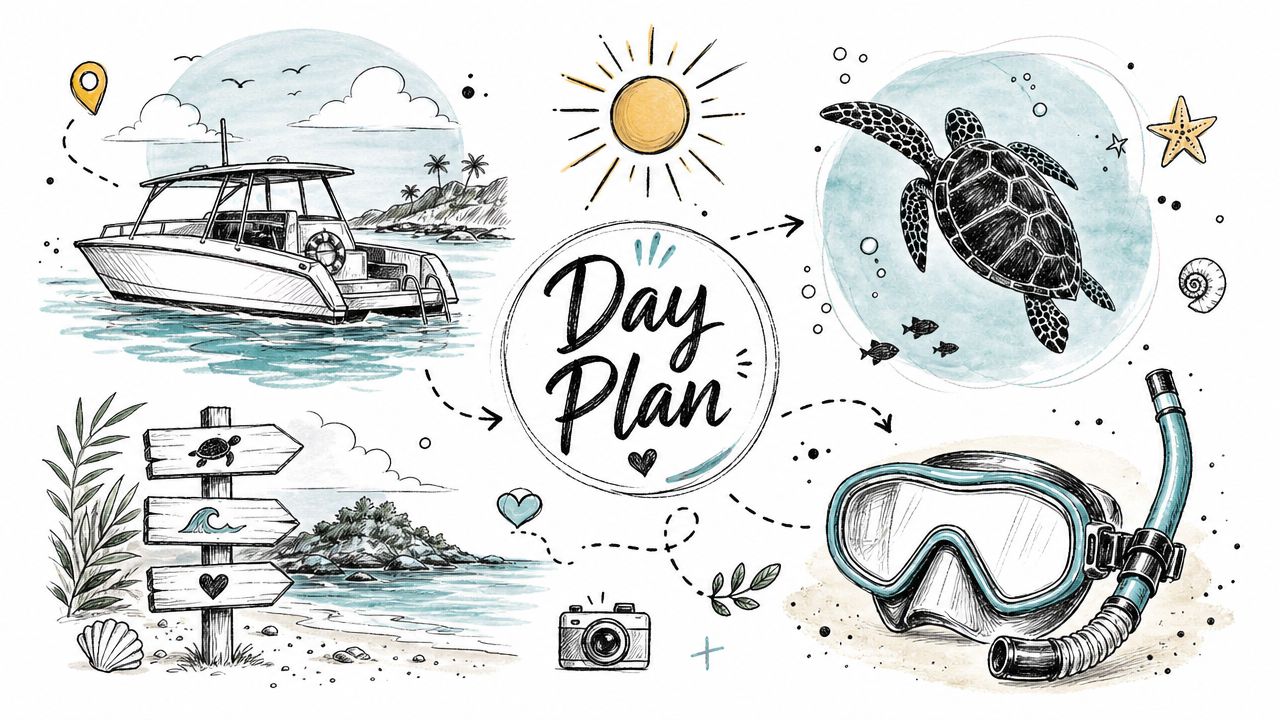
Many travelers want a concrete plan, so here are two realistic versions I'd recommend, one for Hurghada and one for Marsa Alam.
Hurghada day plan
Start early. That matters more than people think. Early departures often mean calmer water and fewer boats at the first stop.
A strong Hurghada turtle day looks like this:
- Morning departure from marina
- First snorkel at a quieter reef edge
- Guide-led briefing before anyone enters
- Second stop near suitable reef or seagrass habitat
- Relaxed lunch on board
- Optional final swim or reef drift depending on conditions
- Return before the late-afternoon rush
The trade-off in Hurghada is traffic. It's easier logistically and great for travelers based in the city, but some sites get busy. That's why operator choice matters so much here. The best crews adapt. They don't blindly follow the boat in front of them.
If you're still shaping the wider holiday around marine days and cultural trips, a sample Egypt itinerary planner helps you balance Red Sea time with the rest of the trip.
Marsa Alam day plan
Marsa Alam often suits travelers who care more about time in the water than nightlife or city convenience. The rhythm is slower, and certain bays are famous for resident grazing areas used by turtles.
A good Marsa Alam day often works best with fewer moving parts. One bay, two or three carefully managed entries, and enough surface time between swims that people don't get sloppy in the water.
That style of day also matches a bigger conservation truth. As the Oceanic Society notes, many travelers ask which actions matter most, and while beach behavior still helps, the biggest impact comes from addressing major threats like bycatch and supporting better marine practices through the choices we make around tours and seafood, as discussed in Oceanic Society's summary of what sea turtle conservation gets right and what it still misses.
Here's the kind of pacing I like in Marsa Alam:
- Arrive before the busiest window
- Enter with a guide after checking conditions
- Limit the first encounter rather than chasing a second
- Rest properly
- Go back in only if the site remains calm
This short video gives a feel for the kind of day turtle lovers come for on the Red Sea:
The key trade-off is simple. Marsa Alam often gives a more focused wildlife experience, but it asks more of your schedule and sometimes your transfer time. Hurghada is easier for many hotel-based travelers, but it demands sharper tour selection to avoid crowded, careless encounters.
Both can be excellent. In both places, the best day is the one where the turtle never has to react to you.
If you want help planning a Red Sea day that feels personal, unhurried, and responsible, book directly with the local team at Oh Yes Tours. We live here, we guide here, and we'll advise you candidly when a private boat is worth it, when a small-group trip is enough, and which turtle spots fit your base in Hurghada or Marsa Alam. Egypt? Oh Yes!